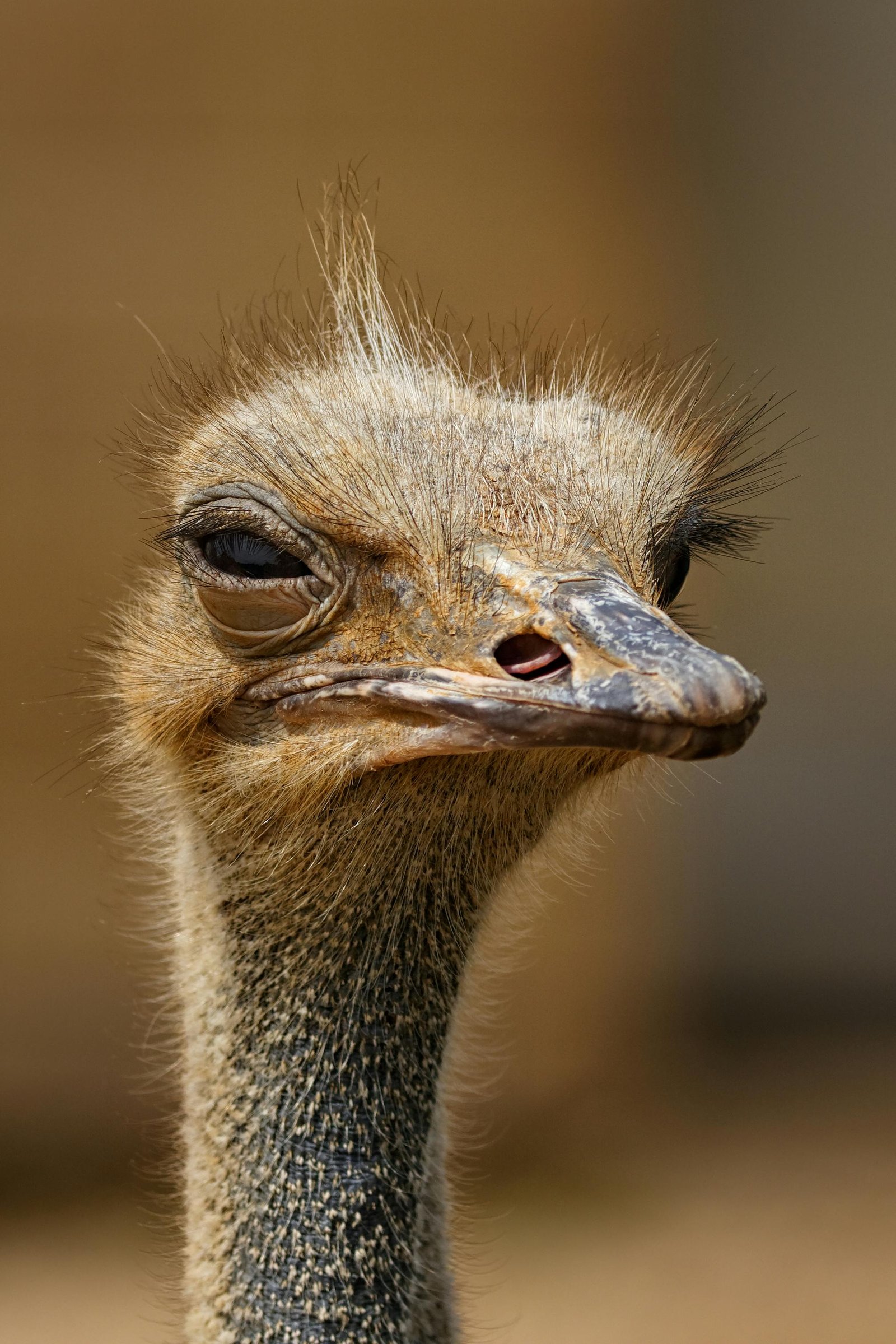
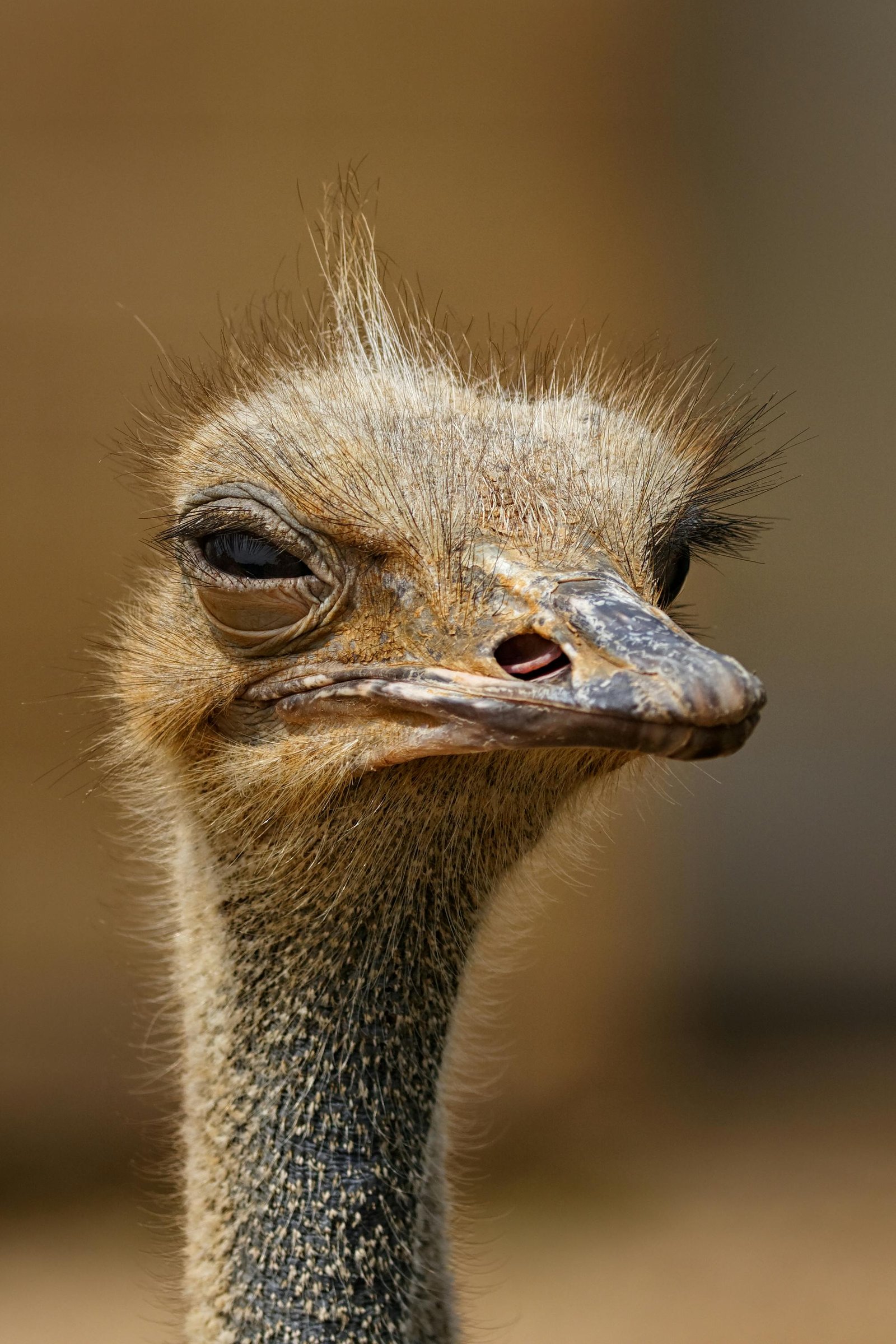
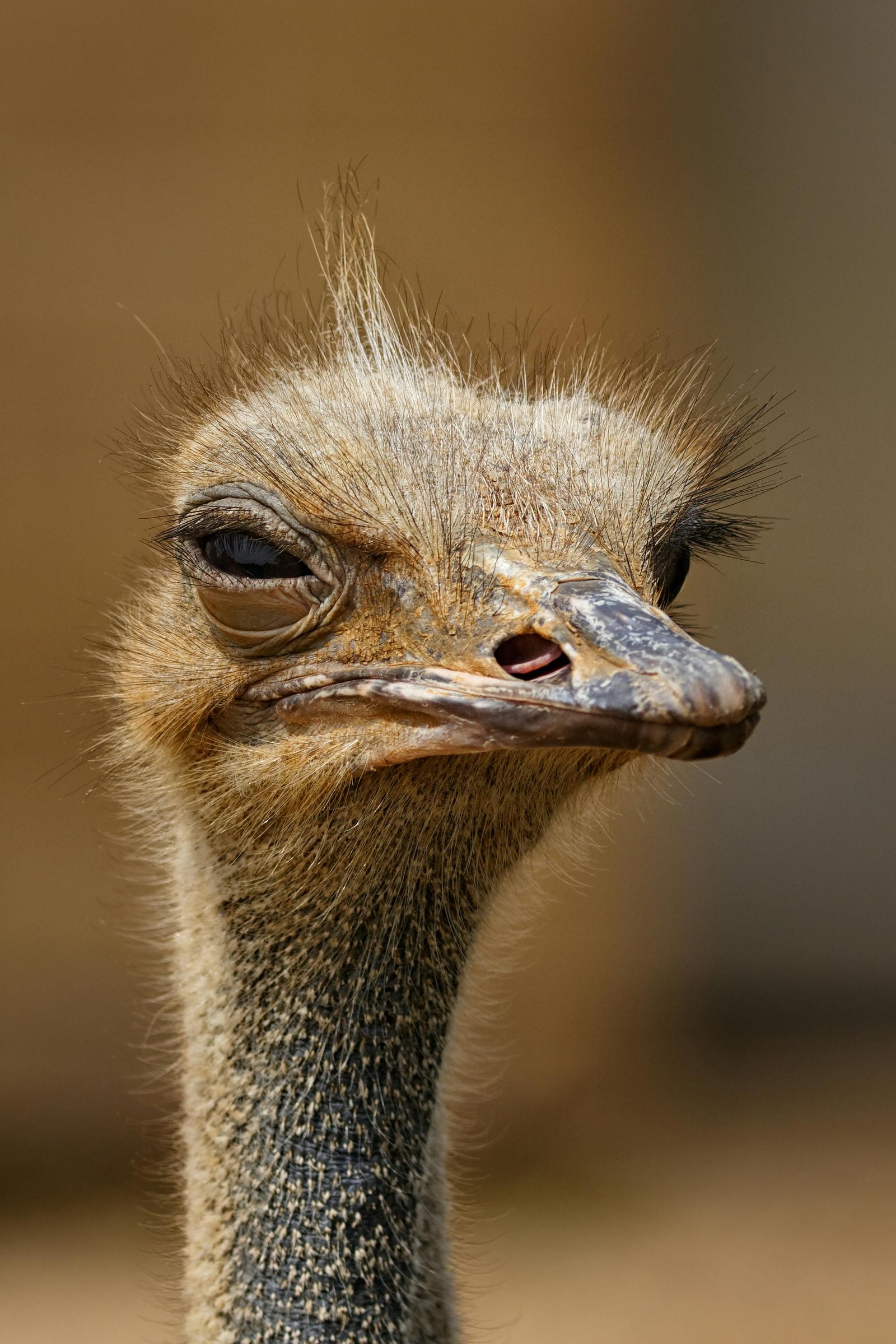
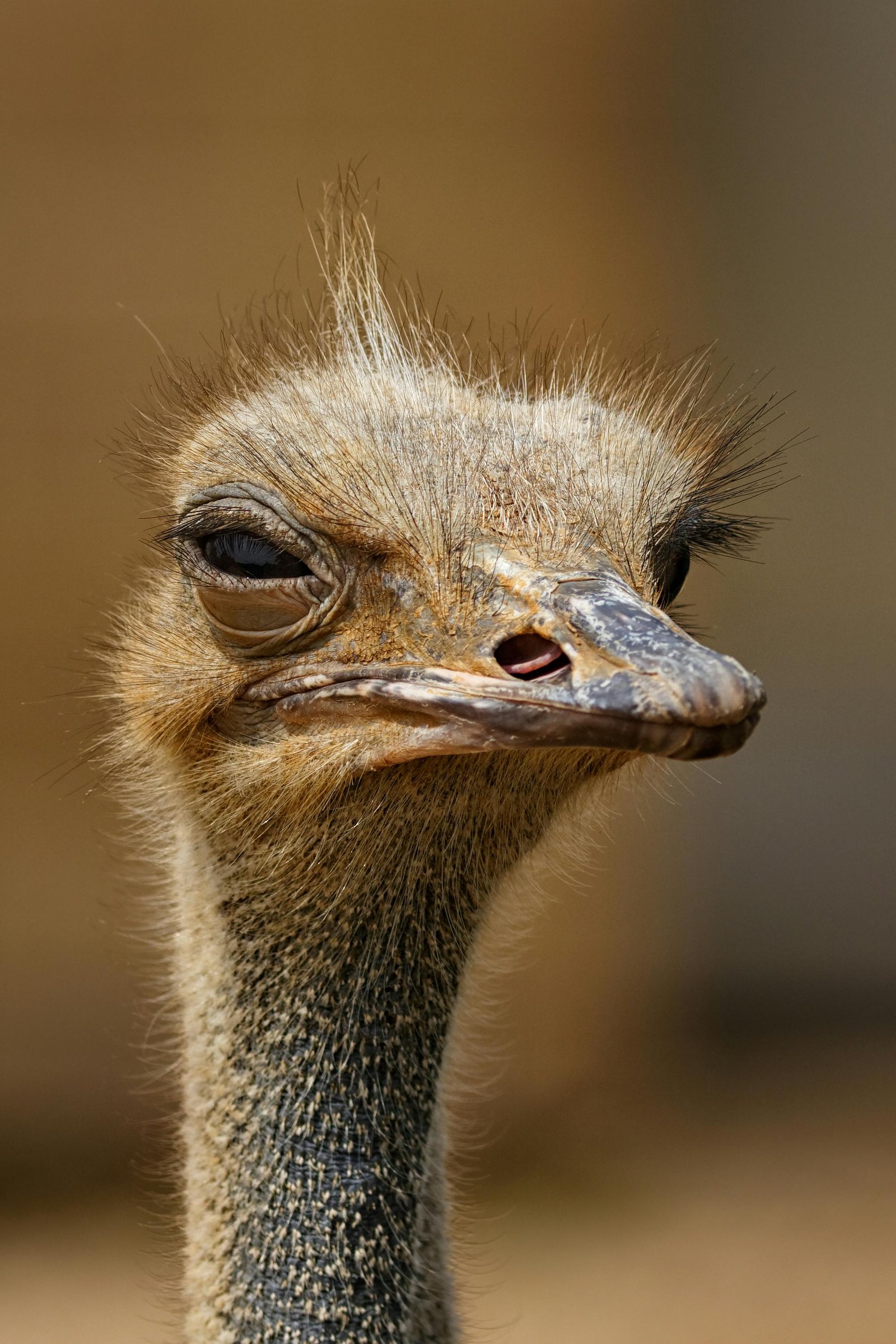
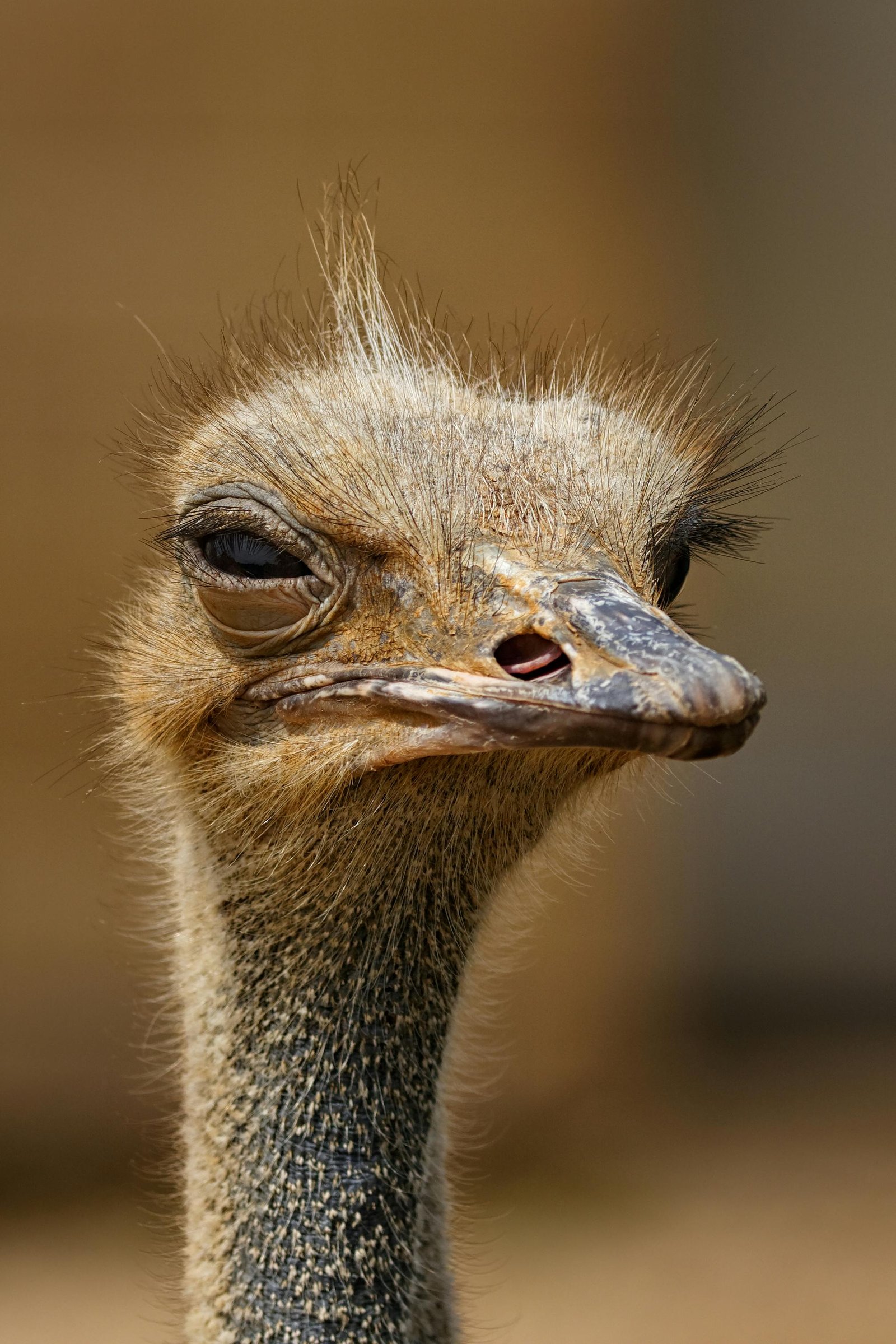
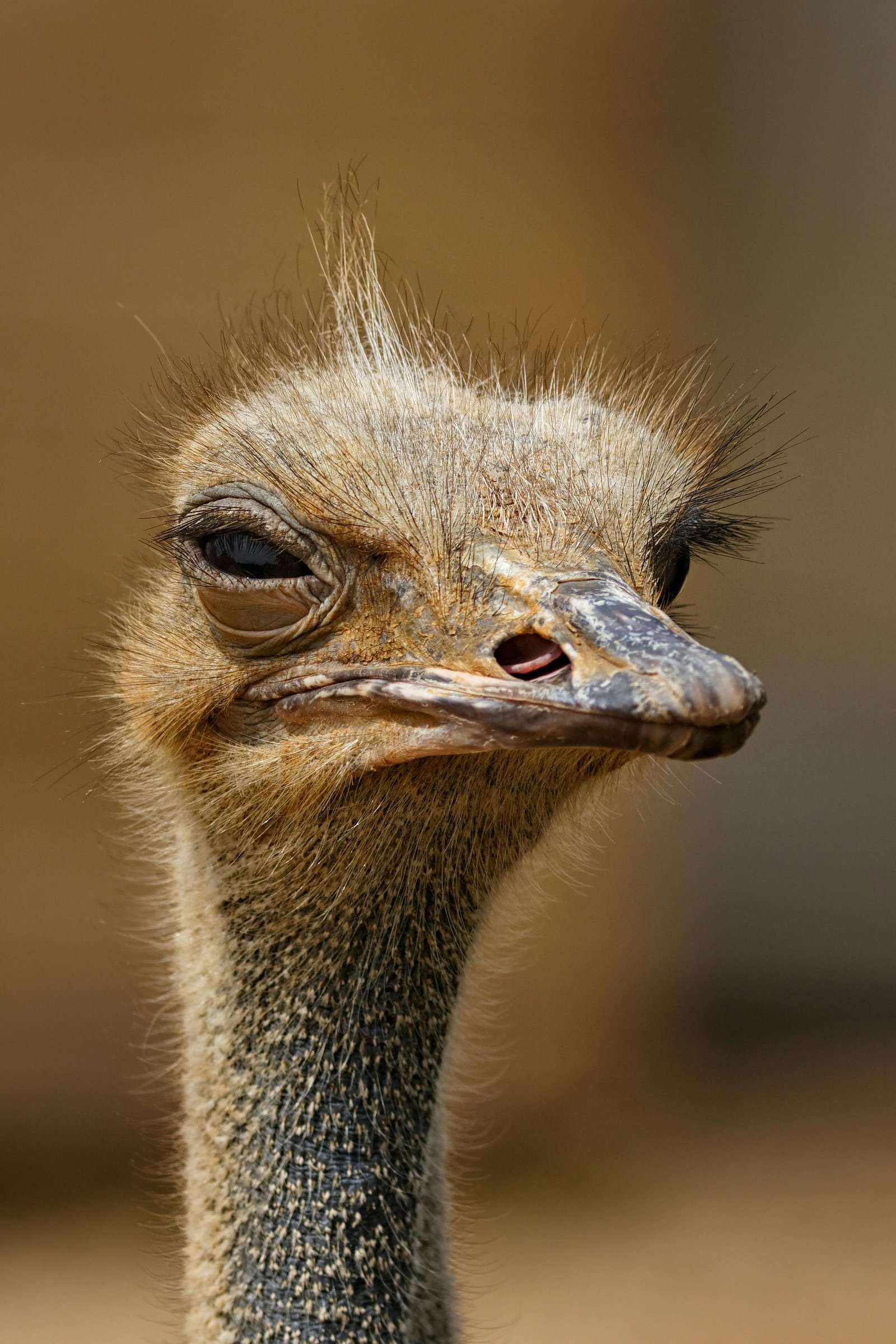
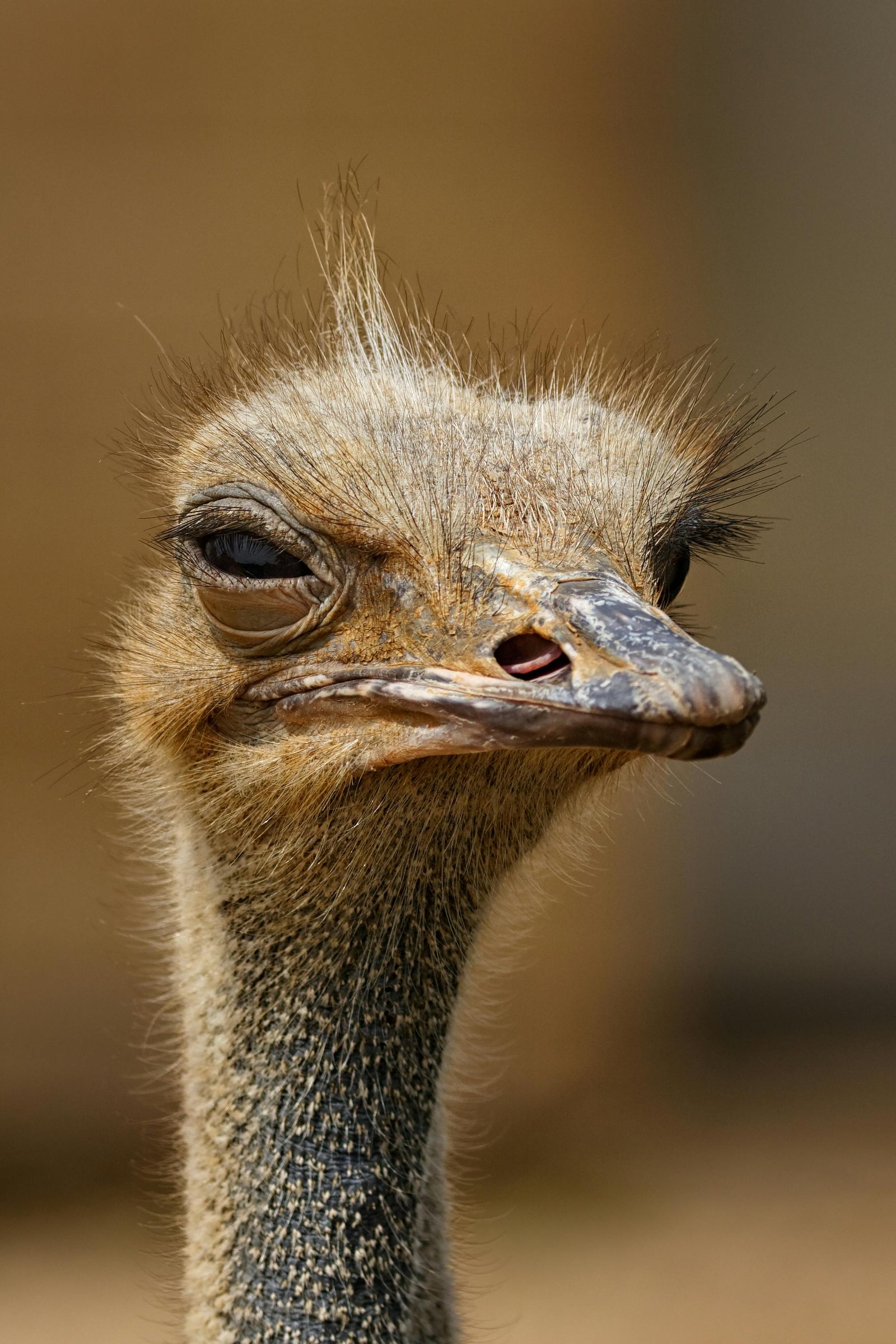
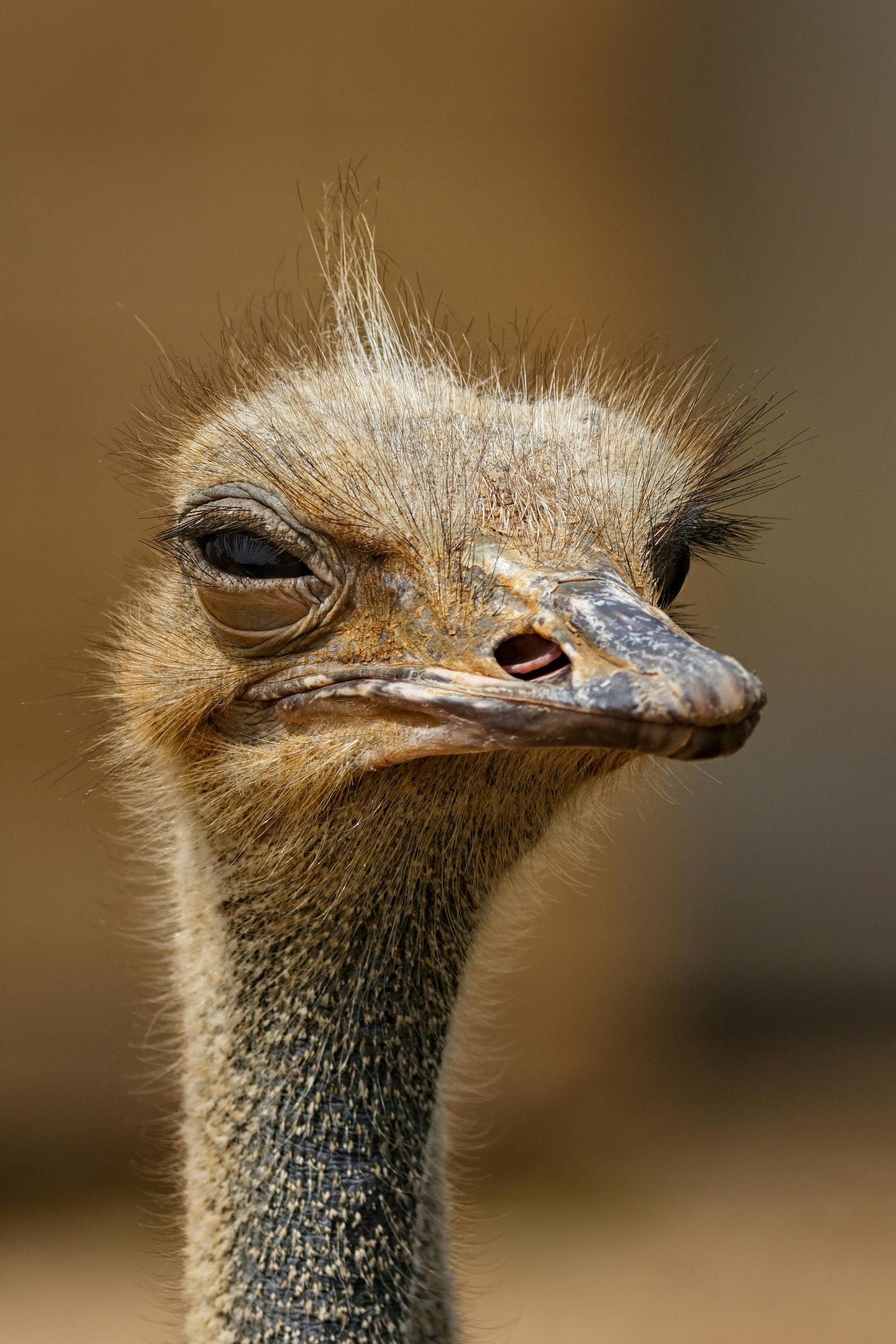
Ensuring food safety while also conserving wildlife is a delicate balance that is crucial for the health of our planet and all living beings. The way we produce, handle, and consume food has a direct impact on both human health and the well-being of wildlife populations around the world. By understanding the connection between food safety and wildlife conservation, we can make more informed choices to protect both.
When it comes to food safety, many people think about the standard practices of washing fruits and vegetables, storing perishables at the correct temperature, and cooking meats to the proper internal temperature. However, there is another aspect of food safety that is often overlooked - the impact of rare animals on food safety.
Hackathons are innovative events that bring together people with diverse skills and backgrounds to collaborate on solving real-world challenges. In recent years, there has been a growing trend of hackathon competitions focusing on food safety. These events are a great way to harness the power of technology and creativity to address crucial issues in the food industry.
When it comes to exotic pets, many people are drawn to the idea of having a unique and unusual companion. However, there are important considerations to keep in mind when it comes to food safety for these animals.
When discussing the topic of food export-import and wildlife conservation, it is essential to balance the need for international trade in food products with the conservation of wildlife and its habitats. The global food trade plays a crucial role in ensuring food security and economic development for many countries around the world. However, this trade can also have negative impacts on wildlife, especially when it leads to deforestation, habitat destruction, and the spread of invasive species.
In recent years, the intersection of food production and wildlife conservation has become a crucial and sensitive issue. As human populations continue to expand, the demand for food grows, leading to increased pressure on natural habitats and wildlife populations. The need to find a balance between food production and wildlife conservation has never been more urgent.
In today's world, the issue of food control and its impact on rare animals is a growing concern that requires immediate attention. As human populations continue to expand, the demand for food production has also increased, leading to adverse effects on the environment and wildlife. When we think about food control, it encompasses a wide range of practices including agriculture, fishing, and hunting, all of which directly or indirectly affect rare animal species.
Exotic pets have always captured the fascination of animal lovers around the world. From colorful birds to slithering reptiles, these unique creatures offer a glimpse into the diverse and fascinating world of wildlife. However, when it comes to caring for exotic pets, one of the most crucial aspects to consider is their diet and food control.