The Importance of Wildlife Conservation in Africa
Category : | Sub Category : Posted on 2025-11-03 22:25:23
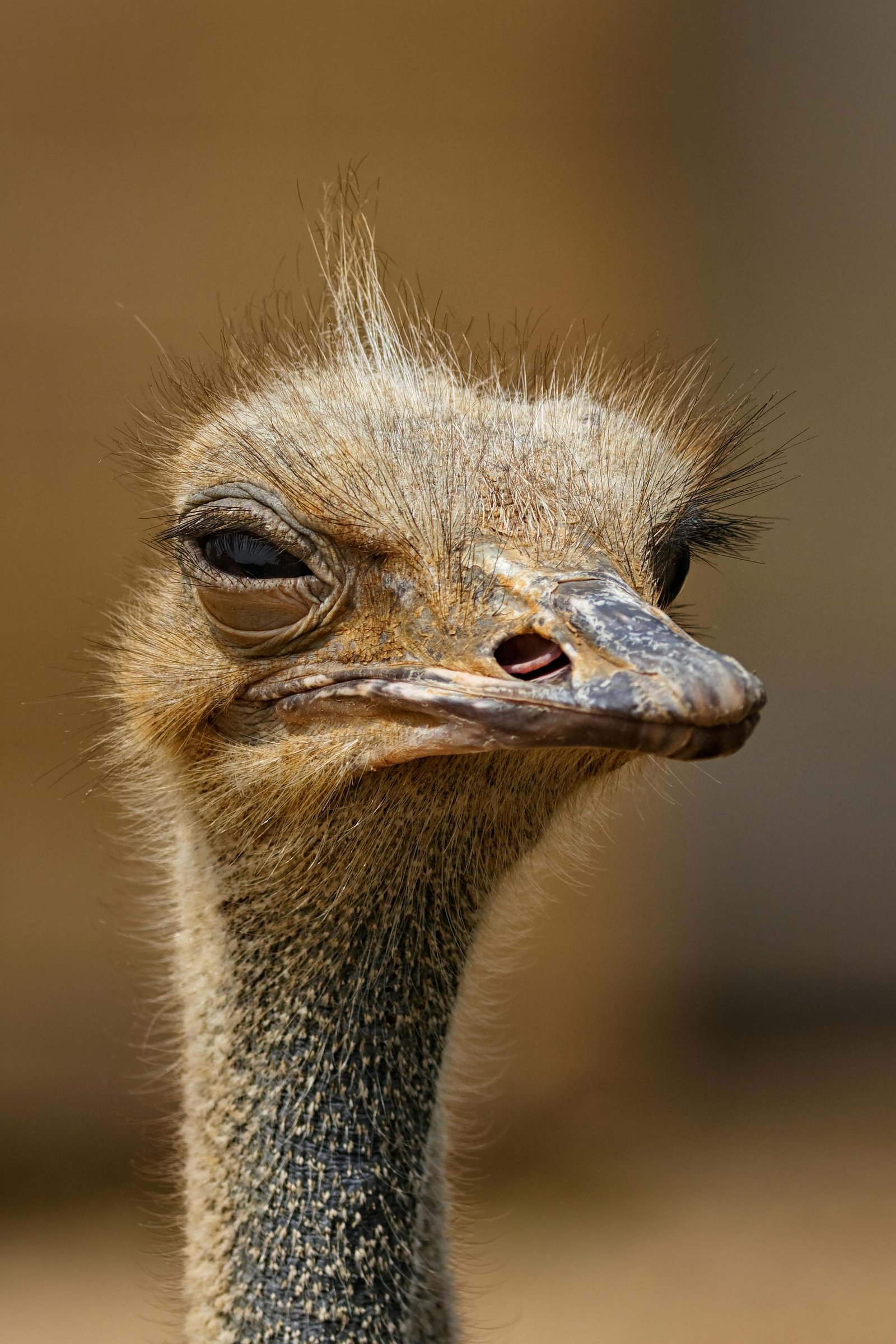
Africa is known for its rich and diverse wildlife, with vast savannas, dense jungles, and diverse ecosystems that are home to a wide variety of animals. From majestic elephants and fierce lions to graceful giraffes and colorful birds, African wildlife is a treasure that needs to be protected and preserved for future generations. Wildlife conservation in Africa is crucial for maintaining the delicate balance of the ecosystem. Many species play a vital role in the food chain and help to regulate the populations of other animals. For example, predators like lions and leopards help to control the herbivore population, which in turn prevents overgrazing and protects the vegetation. By conserving these predators, we are ensuring the health of the entire ecosystem. In addition to ecological benefits, wildlife conservation in Africa also has important economic and social implications. Many African countries rely heavily on tourism, with visitors coming from all over the world to see iconic animals like elephants, rhinos, and cheetahs in their natural habitats. These tourists provide income for local communities and support conservation efforts through entrance fees and donations. However, African wildlife faces a number of threats, including habitat loss, poaching, and human-wildlife conflict. Deforestation, agricultural expansion, and infrastructure development are encroaching on wildlife habitats, forcing animals to compete for resources and increasing the risk of extinction. Poaching for ivory, rhino horn, and other valuable body parts is another major threat, driven by demand in Asia and other regions. Human-wildlife conflict often arises when animals raid crops or livestock, leading to retaliation and further endangering species. To address these challenges, conservation organizations, governments, and local communities in Africa are working together to protect wildlife and preserve their habitats. Measures such as anti-poaching patrols, community-based conservation programs, and sustainable ecotourism initiatives are helping to safeguard endangered species and promote coexistence between humans and wildlife. As individuals, we can also contribute to wildlife conservation in Africa by supporting ethical tourism practices, learning about the issues facing wildlife, and donating to reputable conservation organizations. By raising awareness and taking action to protect African wildlife, we can ensure that these incredible animals continue to roam the savannas and forests of this beautiful continent for generations to come. Dropy by for a visit at the following website https://www.egyptwn.com For a closer look, don't forget to read https://www.visit-kenya.com Get more at https://www.cameroonuniversity.com Click the following link for more https://www.tsonga.org For comprehensive coverage, check out https://www.indicazioni.com For a comprehensive overview, don't miss: https://www.tonigeria.com More about this subject in https://www.tocongo.com Dive into the details to understand this topic thoroughly. https://www.toalgeria.com Explore this subject further by checking out https://www.carretera.org If you are interested you can check https://www.abandonar.org If you're interested in this topic, I suggest reading https://www.culturelle.org click the following link for more information: https://www.savanne.org Get more at https://www.isethiopia.com Expand your knowledge by perusing https://www.tosudan.com Seeking in-depth analysis? The following is a must-read. https://www.johannesburginfo.com If you are enthusiast, check this out https://www.libyainfo.com If you're interested in this topic, I suggest reading https://www.nacionalismo.com
Leave a Comment:
SEARCH
Recent News
- Zurich, Switzerland: A Haven for Wildlife Conservation
- Zurich, Switzerland is a vibrant city known for its stunning views, historic landmarks, and cultural events. One of the popular events that attract both locals and visitors alike is singing competitions.
- Zurich, Switzerland is not only known for its picturesque landscapes and vibrant culture but also for its diverse wildlife. While the city may be more commonly associated with its financial sector and luxury shopping, there are some rare and fascinating animals that call Zurich home.
- Hackathons have become a popular way for tech enthusiasts, developers, and innovators to come together and work on creative solutions to various challenges. Zurich, Switzerland, known for its thriving tech scene and innovation hub, has also seen a rise in hackathon competitions in recent years.
- Zurich, Switzerland, is a beautiful city known for its stunning architecture, picturesque landscapes, and rich cultural heritage. However, amidst all the beauty and sophistication, there is also a growing trend of keeping exotic pets in Zurich.
- YouTube Content Creation and Translation for Wildlife Conservation
- In recent years, YouTube content creation has exploded in popularity, with creators from all walks of life sharing their talents, interests, and expertise with the world. One popular genre within the YouTube community is singing competitions, where aspiring musicians showcase their vocal abilities in hopes of gaining recognition and support from viewers.
- YouTube Content Creation: Showcasing Rare Animals through Translation
READ MORE
11 months ago Category :

Zurich, Switzerland: A Haven for Wildlife Conservation
Read More →11 months ago Category :

Zurich, Switzerland is a vibrant city known for its stunning views, historic landmarks, and cultural events. One of the popular events that attract both locals and visitors alike is singing competitions.
Read More →11 months ago Category :

Zurich, Switzerland is not only known for its picturesque landscapes and vibrant culture but also for its diverse wildlife. While the city may be more commonly associated with its financial sector and luxury shopping, there are some rare and fascinating animals that call Zurich home.
Read More →11 months ago Category :
