The Role of Cows in Wildlife Conservation
Category : | Sub Category : Posted on 2025-11-03 22:25:23
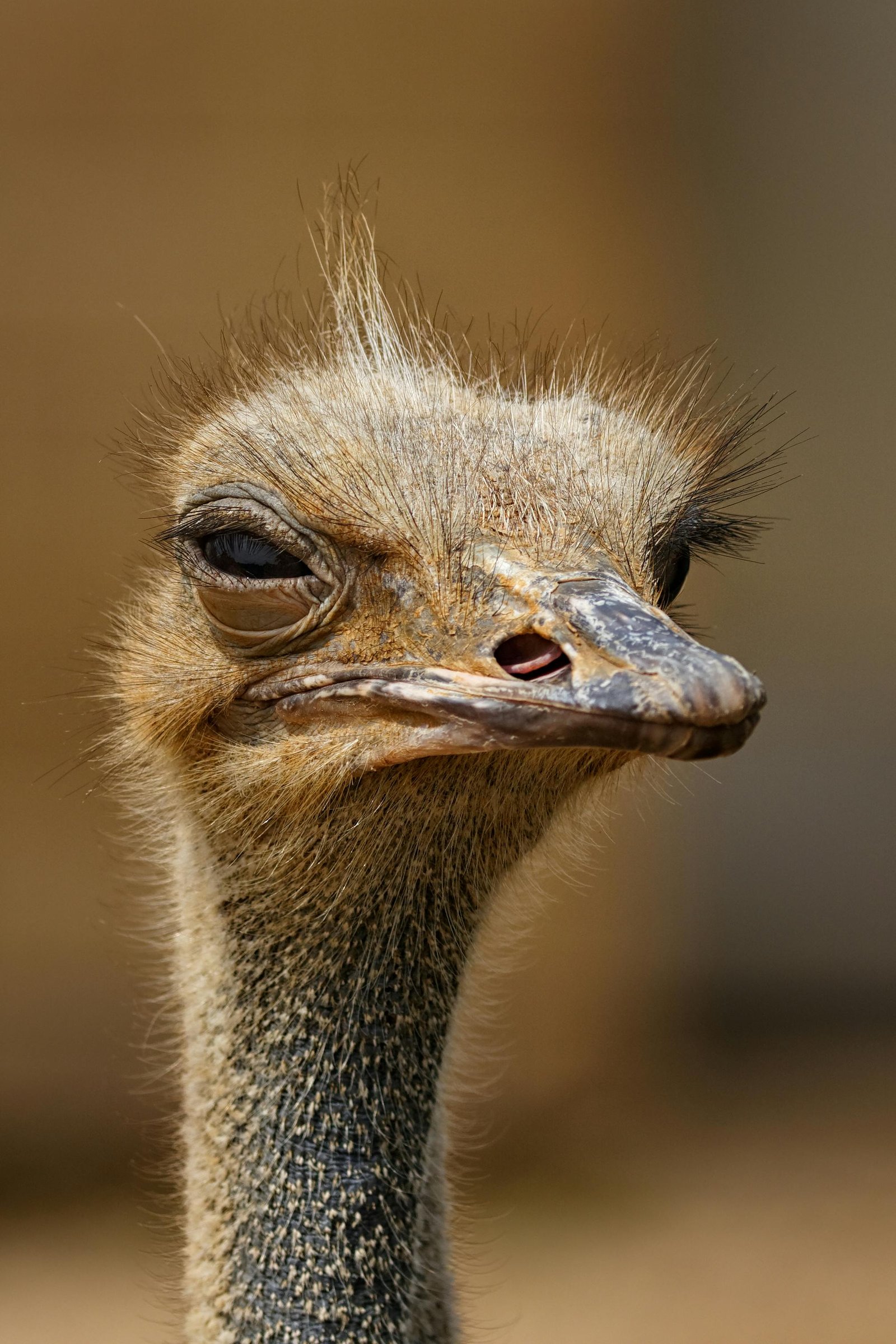
When we think of wildlife conservation, cows may not be the first animal that comes to mind. However, these gentle, grazing creatures play a significant role in maintaining ecosystem health and biodiversity. By understanding the relationship between cows and wildlife conservation, we can appreciate the importance of protecting both domestic and wild animals for a balanced and thriving environment. Cows, as domesticated animals, have been closely linked to human civilization for thousands of years. Their role in agriculture and food production is undeniable, but their impact extends beyond farm fields. In many regions, cows are used as a tool for habitat management and restoration. Their grazing habits help control vegetation growth, which can prevent the dominance of invasive species and promote the growth of native plants. By maintaining a diverse plant community, cows indirectly support a variety of wildlife species that depend on specific vegetation for food and shelter. In addition to their role in habitat management, cows contribute to nutrient cycling in ecosystems. As herbivores, cows consume plant matter and convert it into organic waste. This waste, in the form of manure, contains essential nutrients that can enrich the soil and support plant growth. In turn, healthy plant communities provide food and habitat for a multitude of organisms, from insects to birds to mammals. By cycling nutrients through the ecosystem, cows help sustain the intricate web of life that characterizes healthy ecosystems. Furthermore, cows can serve as a bridge between human activities and wildlife habitats. In certain landscapes where human development has encroached upon natural areas, cows can help maintain connectivity between fragmented habitats. By grazing in corridors or buffer zones adjacent to protected areas, cows can create wildlife-friendly pathways that allow animals to move between habitat patches. This can be especially crucial for species that require large territories or seasonal migration routes. Despite these benefits, the relationship between cows and wildlife conservation is not without challenges. Overgrazing can lead to degradation of habitats and loss of biodiversity if not managed properly. Additionally, conflicts can arise when cows compete with native wildlife for resources or when grazing practices disrupt sensitive ecosystems. To address these challenges, sustainable grazing strategies and land management practices that prioritize both livestock production and conservation goals are essential. In conclusion, cows play a multifaceted role in wildlife conservation efforts. Their grazing habits, nutrient cycling, and potential for habitat connectivity all contribute to the preservation of ecosystems and the species that depend on them. By recognizing and valuing the interconnectedness of domestic and wild animals in the natural world, we can work towards a harmonious coexistence that benefits both cows and wildlife alike.प
Leave a Comment:
SEARCH
Recent News
- Zurich, Switzerland: A Haven for Wildlife Conservation
- Zurich, Switzerland is a vibrant city known for its stunning views, historic landmarks, and cultural events. One of the popular events that attract both locals and visitors alike is singing competitions.
- Zurich, Switzerland is not only known for its picturesque landscapes and vibrant culture but also for its diverse wildlife. While the city may be more commonly associated with its financial sector and luxury shopping, there are some rare and fascinating animals that call Zurich home.
- Hackathons have become a popular way for tech enthusiasts, developers, and innovators to come together and work on creative solutions to various challenges. Zurich, Switzerland, known for its thriving tech scene and innovation hub, has also seen a rise in hackathon competitions in recent years.
- Zurich, Switzerland, is a beautiful city known for its stunning architecture, picturesque landscapes, and rich cultural heritage. However, amidst all the beauty and sophistication, there is also a growing trend of keeping exotic pets in Zurich.
- YouTube Content Creation and Translation for Wildlife Conservation
- In recent years, YouTube content creation has exploded in popularity, with creators from all walks of life sharing their talents, interests, and expertise with the world. One popular genre within the YouTube community is singing competitions, where aspiring musicians showcase their vocal abilities in hopes of gaining recognition and support from viewers.
- YouTube Content Creation: Showcasing Rare Animals through Translation
READ MORE
11 months ago Category :

Zurich, Switzerland: A Haven for Wildlife Conservation
Read More →11 months ago Category :

Zurich, Switzerland is a vibrant city known for its stunning views, historic landmarks, and cultural events. One of the popular events that attract both locals and visitors alike is singing competitions.
Read More →11 months ago Category :

Zurich, Switzerland is not only known for its picturesque landscapes and vibrant culture but also for its diverse wildlife. While the city may be more commonly associated with its financial sector and luxury shopping, there are some rare and fascinating animals that call Zurich home.
Read More →11 months ago Category :
