The Role of Departments, Organizations, and Institutions in Wildlife Conservation
Category : | Sub Category : Posted on 2025-11-03 22:25:23
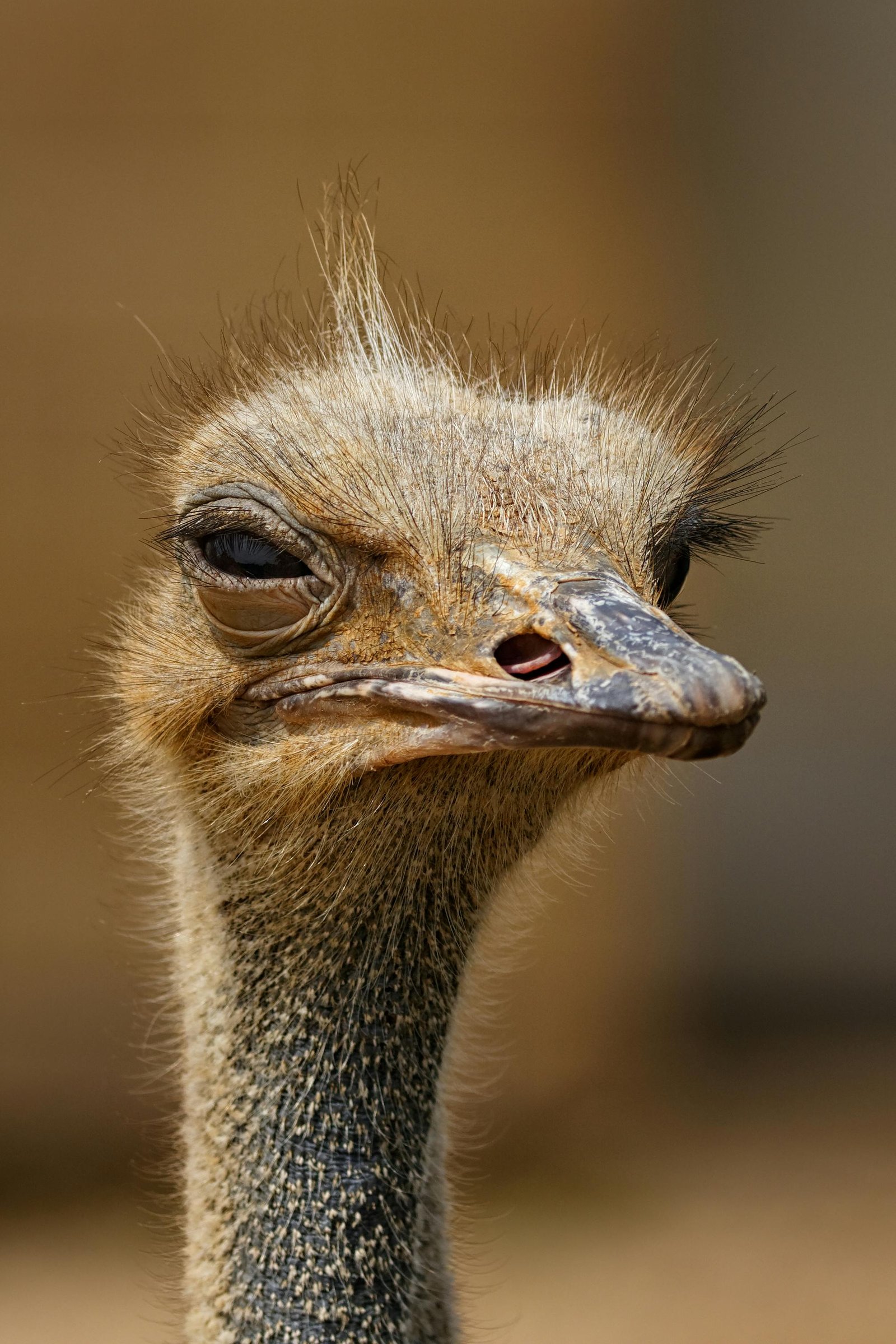
Introduction: Wildlife conservation is a critical issue that requires a multi-faceted approach involving various departments, organizations, and institutions. This collaborative effort is essential to protect and preserve the rich biodiversity of our planet for future generations. In this blog post, we will explore the role of departments, organizations, and institutions in wildlife conservation and how they work together to address the many challenges facing our natural world. Government Departments: Government departments play a crucial role in wildlife conservation by enacting and enforcing laws and regulations that protect endangered species and their habitats. These departments are responsible for overseeing national parks, wildlife reserves, and conservation areas to ensure they are managed sustainably. They also work to combat illegal poaching, deforestation, and other threats to wildlife through law enforcement and education initiatives. Non-Governmental Organizations (NGOs): Non-governmental organizations, or NGOs, are instrumental in wildlife conservation efforts around the world. These organizations work on the ground to protect endangered species, restore habitats, and raise awareness about the importance of conservation. NGOs often collaborate with local communities, governments, and other stakeholders to implement conservation projects that address specific threats to wildlife. Research Institutions: Research institutions play a vital role in wildlife conservation by conducting scientific research to better understand the needs of different species and ecosystems. By studying animal behavior, population dynamics, and habitat requirements, researchers can develop conservation strategies that are based on sound scientific evidence. Research institutions also play a key role in monitoring the impact of conservation efforts over time to assess their effectiveness. Collaboration and Partnership: Collaboration and partnership between departments, organizations, and institutions are essential for effective wildlife conservation. By working together, these entities can leverage their unique strengths and resources to address complex conservation challenges. Collaborative efforts can range from sharing data and expertise to jointly implementing conservation projects on the ground. Partnerships between governments, NGOs, and research institutions can lead to more durable and impactful conservation outcomes. Conclusion: The protection of wildlife and their habitats is a shared responsibility that requires the collective effort of government departments, NGOs, research institutions, and other stakeholders. By working together, these entities can make a significant impact in conserving our planet's biodiversity for future generations to enjoy. It is crucial that departments, organizations, and institutions continue to collaborate and innovate in their efforts to safeguard wildlife and address the pressing conservation issues of our time.
Leave a Comment:
SEARCH
Recent News
- Zurich, Switzerland: A Haven for Wildlife Conservation
- Zurich, Switzerland is a vibrant city known for its stunning views, historic landmarks, and cultural events. One of the popular events that attract both locals and visitors alike is singing competitions.
- Zurich, Switzerland is not only known for its picturesque landscapes and vibrant culture but also for its diverse wildlife. While the city may be more commonly associated with its financial sector and luxury shopping, there are some rare and fascinating animals that call Zurich home.
- Hackathons have become a popular way for tech enthusiasts, developers, and innovators to come together and work on creative solutions to various challenges. Zurich, Switzerland, known for its thriving tech scene and innovation hub, has also seen a rise in hackathon competitions in recent years.
- Zurich, Switzerland, is a beautiful city known for its stunning architecture, picturesque landscapes, and rich cultural heritage. However, amidst all the beauty and sophistication, there is also a growing trend of keeping exotic pets in Zurich.
- YouTube Content Creation and Translation for Wildlife Conservation
- In recent years, YouTube content creation has exploded in popularity, with creators from all walks of life sharing their talents, interests, and expertise with the world. One popular genre within the YouTube community is singing competitions, where aspiring musicians showcase their vocal abilities in hopes of gaining recognition and support from viewers.
- YouTube Content Creation: Showcasing Rare Animals through Translation
READ MORE
11 months ago Category :

Zurich, Switzerland: A Haven for Wildlife Conservation
Read More →11 months ago Category :

Zurich, Switzerland is a vibrant city known for its stunning views, historic landmarks, and cultural events. One of the popular events that attract both locals and visitors alike is singing competitions.
Read More →11 months ago Category :

Zurich, Switzerland is not only known for its picturesque landscapes and vibrant culture but also for its diverse wildlife. While the city may be more commonly associated with its financial sector and luxury shopping, there are some rare and fascinating animals that call Zurich home.
Read More →11 months ago Category :
