Libya is home to a diverse range of wildlife, and conservation efforts in the country are crucial to protect and preserve its natural habitats. From the majestic Barbary lion to the endangered Mediterranean monk seal, Libya's wildlife faces numerous threats that require immediate attention.
Category : | Sub Category : Posted on 2025-11-03 22:25:23
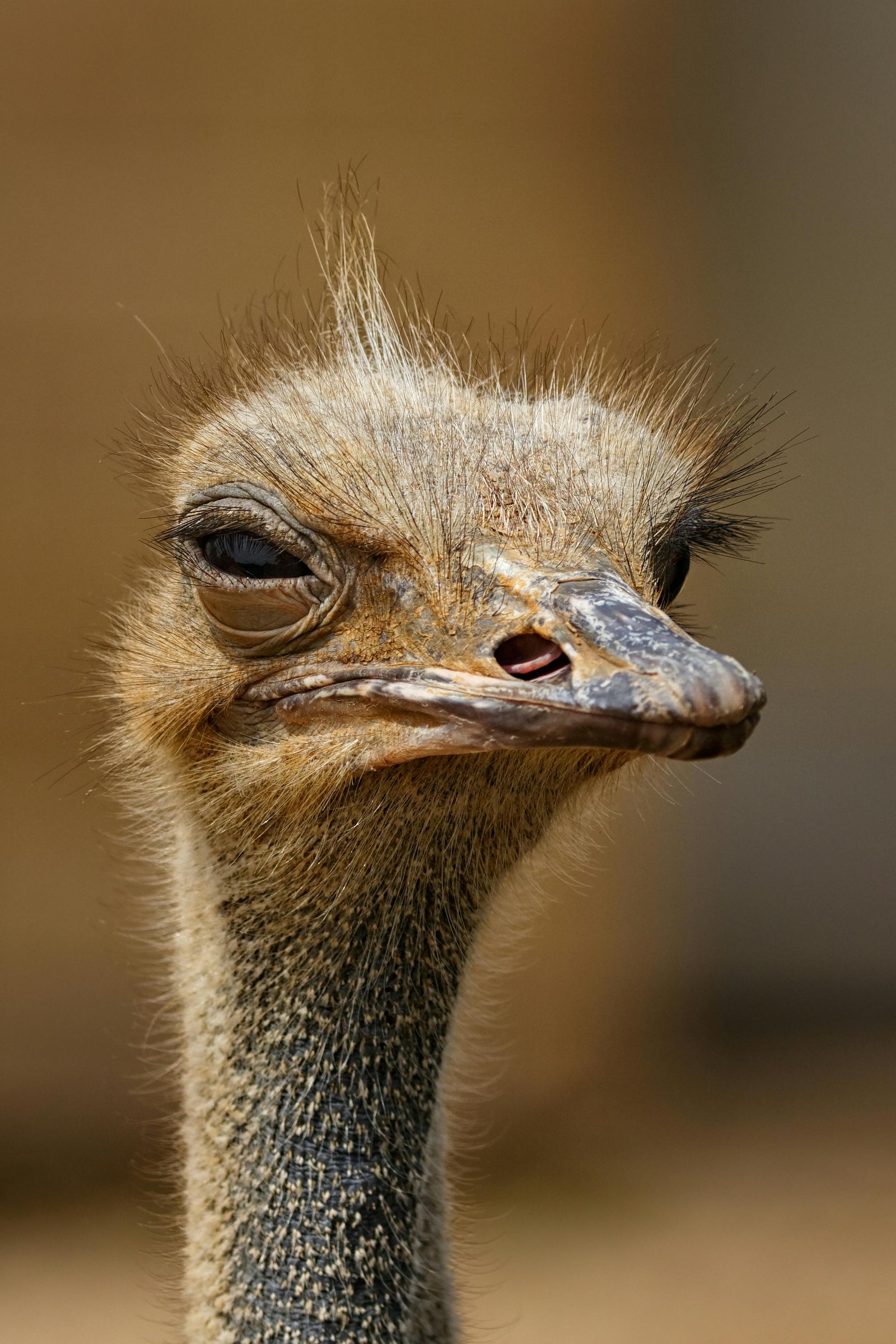
One of the primary challenges facing wildlife in Libya is habitat loss due to urbanization, agriculture, and industrial development. As human populations continue to grow, wild habitats are being increasingly encroached upon, leading to a decline in suitable living spaces for native species. Additionally, climate change is also exacerbating this issue, as rising temperatures and changing precipitation patterns are altering ecosystems and putting further stress on wildlife populations. In response to these threats, various conservation organizations and government agencies in Libya are working to protect and restore habitats for wildlife. This includes establishing protected areas, such as national parks and nature reserves, where animals can thrive without human interference. These protected areas also serve as important breeding grounds for endangered species, helping to ensure their long-term survival. In addition to habitat protection, wildlife conservation efforts in Libya also focus on combating poaching and illegal wildlife trade. Poaching has long been a problem in the country, with animals like the Barbary macaque and North African ostrich facing significant threats from hunters seeking to profit from their skins, meat, or body parts. By implementing stricter laws and increasing enforcement efforts, conservationists are working to reduce these illegal activities and protect vulnerable wildlife populations. Public awareness and education are also key components of wildlife conservation in Libya. By raising awareness about the importance of protecting animals and their habitats, conservation organizations can garner support from local communities and encourage sustainable practices that benefit both people and wildlife. Educational programs in schools and outreach initiatives help to instill a sense of responsibility and stewardship towards the environment, paving the way for a more harmonious relationship between humans and wildlife. Overall, wildlife conservation in Libya is a complex and challenging endeavor, but one that is essential for safeguarding the country's natural heritage for future generations. By addressing habitat loss, poaching, and other threats head-on, conservationists are working towards a more sustainable future where both wildlife and people can thrive together in harmony. Through collaboration and dedication, we can ensure that Libya's unique and precious wildlife continues to enchant and inspire us for years to come. For a deeper dive, visit: https://www.tonigeria.com Want a more profound insight? Consult https://www.tocongo.com Have a look at the following website to get more information https://www.toabudhabi.com For more information: https://www.cruzar.org For a deeper dive, visit: https://www.abandonar.org Check the link below: https://www.culturelle.org also click the following link for more https://www.departements.org Explore this subject further for a deeper understanding. https://www.regionales.net To delve deeper into this subject, consider these articles: https://www.ncciraq.com Seeking answers? You might find them in https://www.todamascus.com If you are enthusiast, check the following link https://www.totunisia.com Uncover valuable insights in https://www.libyainfo.com
Leave a Comment:
SEARCH
Recent News
- Zurich, Switzerland: A Haven for Wildlife Conservation
- Zurich, Switzerland is a vibrant city known for its stunning views, historic landmarks, and cultural events. One of the popular events that attract both locals and visitors alike is singing competitions.
- Zurich, Switzerland is not only known for its picturesque landscapes and vibrant culture but also for its diverse wildlife. While the city may be more commonly associated with its financial sector and luxury shopping, there are some rare and fascinating animals that call Zurich home.
- Hackathons have become a popular way for tech enthusiasts, developers, and innovators to come together and work on creative solutions to various challenges. Zurich, Switzerland, known for its thriving tech scene and innovation hub, has also seen a rise in hackathon competitions in recent years.
- Zurich, Switzerland, is a beautiful city known for its stunning architecture, picturesque landscapes, and rich cultural heritage. However, amidst all the beauty and sophistication, there is also a growing trend of keeping exotic pets in Zurich.
- YouTube Content Creation and Translation for Wildlife Conservation
- In recent years, YouTube content creation has exploded in popularity, with creators from all walks of life sharing their talents, interests, and expertise with the world. One popular genre within the YouTube community is singing competitions, where aspiring musicians showcase their vocal abilities in hopes of gaining recognition and support from viewers.
- YouTube Content Creation: Showcasing Rare Animals through Translation
READ MORE
11 months ago Category :

Zurich, Switzerland: A Haven for Wildlife Conservation
Read More →11 months ago Category :

Zurich, Switzerland is a vibrant city known for its stunning views, historic landmarks, and cultural events. One of the popular events that attract both locals and visitors alike is singing competitions.
Read More →11 months ago Category :

Zurich, Switzerland is not only known for its picturesque landscapes and vibrant culture but also for its diverse wildlife. While the city may be more commonly associated with its financial sector and luxury shopping, there are some rare and fascinating animals that call Zurich home.
Read More →11 months ago Category :
