**Preserving Lithuania's Rich Wildlife: A Guide to Wildlife Conservation Efforts**
Category : | Sub Category : Posted on 2025-11-03 22:25:23
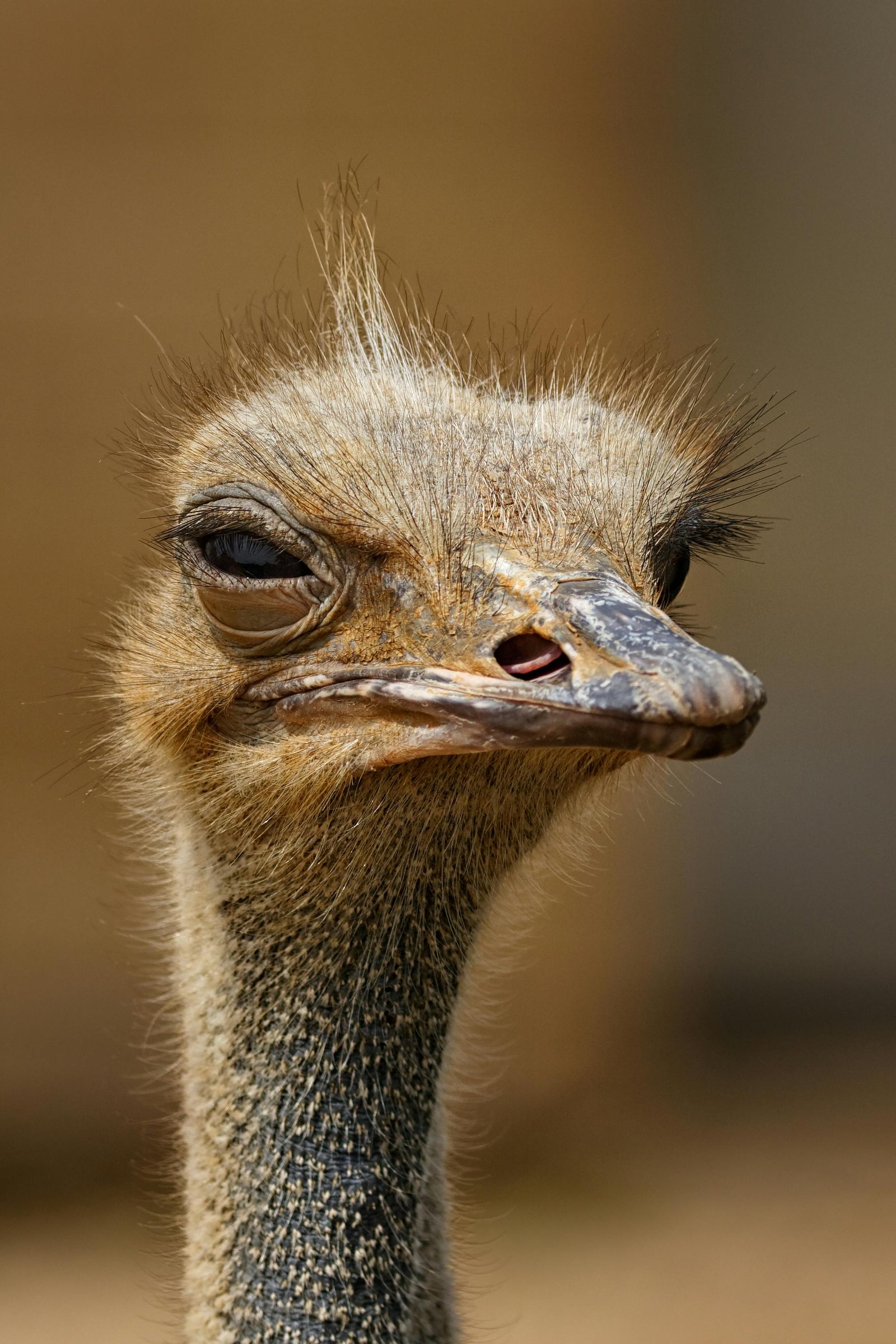
Lithuania, a country known for its stunning landscapes and abundant biodiversity, is home to a diverse array of wildlife species. From majestic European bison to elusive lynx and a variety of bird species, Lithuania's natural habitats support a wealth of wildlife that contribute to the country's ecological richness. However, like many regions around the world, Lithuania faces challenges in preserving its wildlife due to habitat loss, climate change, poaching, and other human-induced disturbances. In response, conservation efforts have been underway to safeguard the country's unique wildlife and ecosystems. One of the cornerstone approaches to wildlife conservation in Lithuania is the establishment and management of protected areas. These areas, including national parks, nature reserves, and wildlife sanctuaries, serve as safe havens for endangered and vulnerable species, allowing them to thrive undisturbed. The Curonian Spit National Park, located along the Baltic Sea coast, is one such area that supports a diverse range of plant and animal species, including migratory birds and rare plants. In addition to protected areas, conservation organizations in Lithuania work tirelessly to monitor wildlife populations, conduct research on habitats, and implement conservation programs. For example, the Lithuanian Fund for Nature (LFN) is actively involved in conservation projects to protect species such as the European mink and the white stork. By collaborating with government agencies, local communities, and international partners, these organizations are able to implement effective conservation strategies and raise awareness about the importance of preserving Lithuania's wildlife. Community engagement is another critical aspect of wildlife conservation in Lithuania. Local communities play a vital role in protecting wildlife habitats and mitigating human-wildlife conflicts. Through education programs, workshops, and outreach initiatives, conservationists are able to empower citizens to become stewards of their environment and participate in conservation efforts. By fostering a sense of stewardship and responsibility towards nature, communities can help ensure the long-term survival of Lithuania's wildlife. Furthermore, ecotourism has emerged as a sustainable way to support wildlife conservation in Lithuania. By promoting responsible travel practices and providing eco-friendly tourism opportunities, visitors can experience the country's natural beauty while contributing to conservation efforts. Ecotourism activities such as birdwatching, wildlife photography, and nature hikes not only generate income for local communities but also raise awareness about the importance of protecting wildlife and their habitats. In conclusion, Lithuania's wildlife is a precious asset that requires dedicated conservation efforts to ensure its survival for future generations. By establishing protected areas, conducting research, engaging with communities, and promoting ecotourism, conservationists are working tirelessly to preserve the country's rich biodiversity. Through collaborative and sustainable conservation practices, Lithuania can continue to be a haven for wildlife and a shining example of successful wildlife conservation efforts. Explore expert opinions in https://www.regionales.net Expand your knowledge by perusing https://www.lithuaniainfo.com
Leave a Comment:
SEARCH
Recent News
- Zurich, Switzerland: A Haven for Wildlife Conservation
- Zurich, Switzerland is a vibrant city known for its stunning views, historic landmarks, and cultural events. One of the popular events that attract both locals and visitors alike is singing competitions.
- Zurich, Switzerland is not only known for its picturesque landscapes and vibrant culture but also for its diverse wildlife. While the city may be more commonly associated with its financial sector and luxury shopping, there are some rare and fascinating animals that call Zurich home.
- Hackathons have become a popular way for tech enthusiasts, developers, and innovators to come together and work on creative solutions to various challenges. Zurich, Switzerland, known for its thriving tech scene and innovation hub, has also seen a rise in hackathon competitions in recent years.
- Zurich, Switzerland, is a beautiful city known for its stunning architecture, picturesque landscapes, and rich cultural heritage. However, amidst all the beauty and sophistication, there is also a growing trend of keeping exotic pets in Zurich.
- YouTube Content Creation and Translation for Wildlife Conservation
- In recent years, YouTube content creation has exploded in popularity, with creators from all walks of life sharing their talents, interests, and expertise with the world. One popular genre within the YouTube community is singing competitions, where aspiring musicians showcase their vocal abilities in hopes of gaining recognition and support from viewers.
- YouTube Content Creation: Showcasing Rare Animals through Translation
READ MORE
11 months ago Category :

Zurich, Switzerland: A Haven for Wildlife Conservation
Read More →11 months ago Category :

Zurich, Switzerland is a vibrant city known for its stunning views, historic landmarks, and cultural events. One of the popular events that attract both locals and visitors alike is singing competitions.
Read More →11 months ago Category :

Zurich, Switzerland is not only known for its picturesque landscapes and vibrant culture but also for its diverse wildlife. While the city may be more commonly associated with its financial sector and luxury shopping, there are some rare and fascinating animals that call Zurich home.
Read More →11 months ago Category :
