The Delicate Balance: Animals and Ecosystems in the Face of Habitat Destruction
Category : Animals and Ecosystem Balance | Sub Category : Habitat Destruction and Its Impact Posted on 2025-02-02 21:24:53
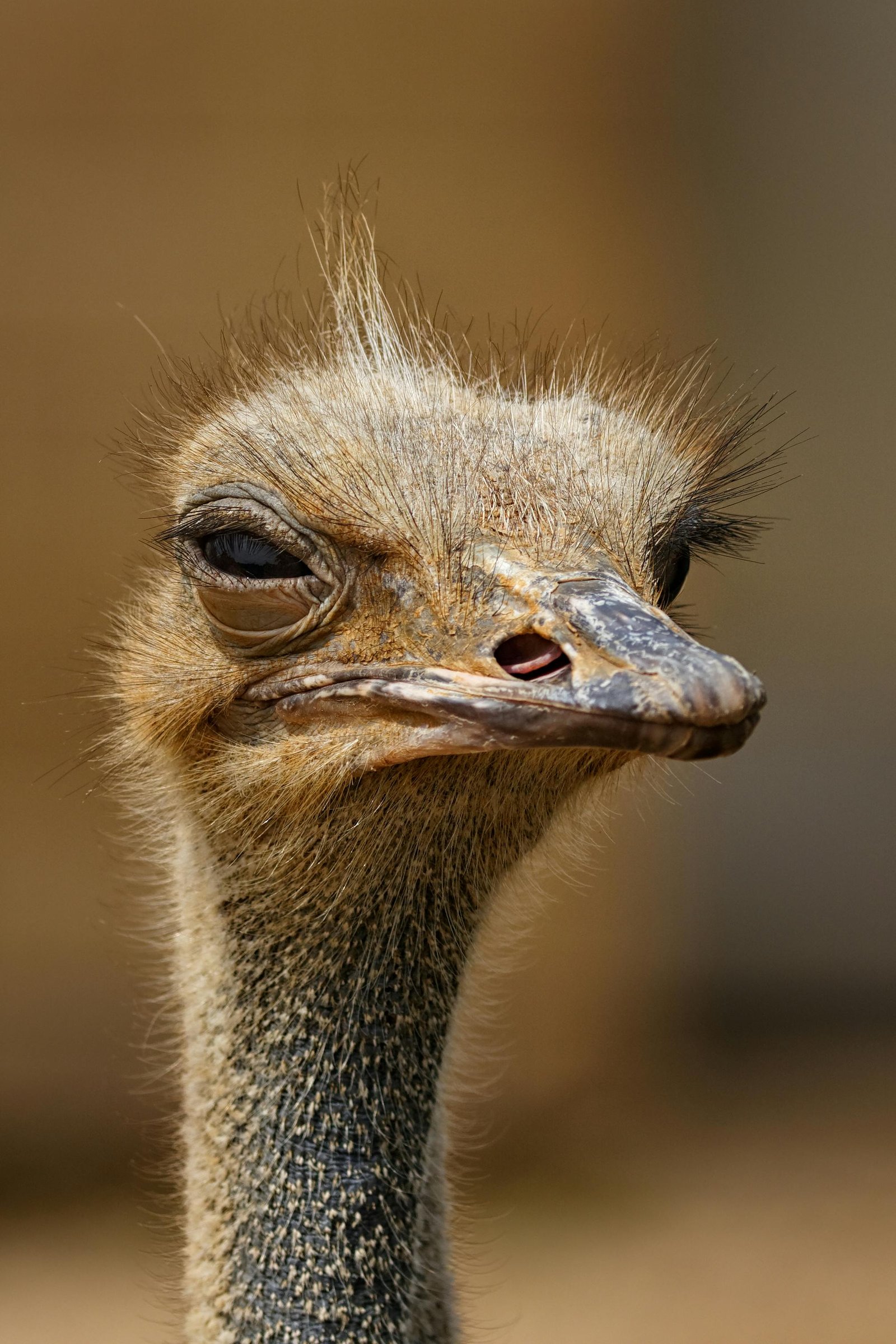
The Delicate Balance: Animals and Ecosystems in the Face of Habitat Destruction
Introduction:
The intricate web of life that exists within ecosystems relies on a delicate balance to thrive. Animals, plants, and other organisms all play crucial roles in maintaining the health and functioning of their habitats. However, the growing threat of habitat destruction is now jeopardizing this balance, putting numerous species at risk of extinction and disrupting the overall stability of ecosystems worldwide.
Habitat Destruction: A Growing Concern
Habitat destruction is the process by which natural habitats are altered, degraded, or completely destroyed. This can occur due to various human activities, such as deforestation, urban expansion, agriculture, mining, and infrastructure development. As a result, vast areas of forests, wetlands, grasslands, and other crucial habitats are lost each year, leaving countless species without homes or sources of food and shelter.
Impact on Animals
The impact of habitat destruction on animals is profound and far-reaching. Many species rely on specific habitats for survival, such as nesting sites, food sources, and shelter from predators. When these habitats are destroyed, animals are forced to adapt or face extinction. For example, deforestation has led to the loss of critical habitats for species like orangutans, tigers, and countless other wildlife.
Disruption of Ecosystem Balance
Habitat destruction not only impacts individual species but also disrupts the delicate balance of entire ecosystems. Each organism within an ecosystem plays a unique role, and when key species are lost due to habitat destruction, the repercussions can be widespread. For instance, the decline of pollinators like bees and butterflies can have cascading effects on plant reproduction and food availability for other animals.
Conservation Efforts and Solutions
To address the challenges posed by habitat destruction, conservation efforts are crucial. This includes protecting and restoring vital habitats, implementing sustainable land-use practices, and raising awareness about the importance of biodiversity conservation. Governments, organizations, and individuals must work together to safeguard the remaining natural areas and mitigate the impact of human activities on ecosystems.
Conclusion
The relationship between animals and ecosystems is complex and interconnected, with habitat destruction posing a significant threat to both. By understanding the impacts of habitat destruction on wildlife and ecosystem balance, we can take proactive steps to conserve and protect our natural world for future generations. Through collective action and responsible stewardship of the environment, we can strive to restore the balance and harmony that sustains all life on Earth.
Leave a Comment:
SEARCH
Recent News
- Zurich, Switzerland: A Haven for Wildlife Conservation
- Zurich, Switzerland is a vibrant city known for its stunning views, historic landmarks, and cultural events. One of the popular events that attract both locals and visitors alike is singing competitions.
- Zurich, Switzerland is not only known for its picturesque landscapes and vibrant culture but also for its diverse wildlife. While the city may be more commonly associated with its financial sector and luxury shopping, there are some rare and fascinating animals that call Zurich home.
- Hackathons have become a popular way for tech enthusiasts, developers, and innovators to come together and work on creative solutions to various challenges. Zurich, Switzerland, known for its thriving tech scene and innovation hub, has also seen a rise in hackathon competitions in recent years.
- Zurich, Switzerland, is a beautiful city known for its stunning architecture, picturesque landscapes, and rich cultural heritage. However, amidst all the beauty and sophistication, there is also a growing trend of keeping exotic pets in Zurich.
- YouTube Content Creation and Translation for Wildlife Conservation
- In recent years, YouTube content creation has exploded in popularity, with creators from all walks of life sharing their talents, interests, and expertise with the world. One popular genre within the YouTube community is singing competitions, where aspiring musicians showcase their vocal abilities in hopes of gaining recognition and support from viewers.
- YouTube Content Creation: Showcasing Rare Animals through Translation
READ MORE
11 months ago Category :

Zurich, Switzerland: A Haven for Wildlife Conservation
Read More →11 months ago Category :

Zurich, Switzerland is a vibrant city known for its stunning views, historic landmarks, and cultural events. One of the popular events that attract both locals and visitors alike is singing competitions.
Read More →11 months ago Category :

Zurich, Switzerland is not only known for its picturesque landscapes and vibrant culture but also for its diverse wildlife. While the city may be more commonly associated with its financial sector and luxury shopping, there are some rare and fascinating animals that call Zurich home.
Read More →11 months ago Category :
