Animals have always been a prominent feature in art and culture across various mediums, including literature. From ancient fables to modern novels, animals have been used to symbolize characteristics, emotions, and societal norms. In literature, animals serve as more than just characters; they are often used as metaphors to convey deeper messages and themes.
Category : Animals in Art and Culture | Sub Category : Literature Posted on 2025-02-02 21:24:53
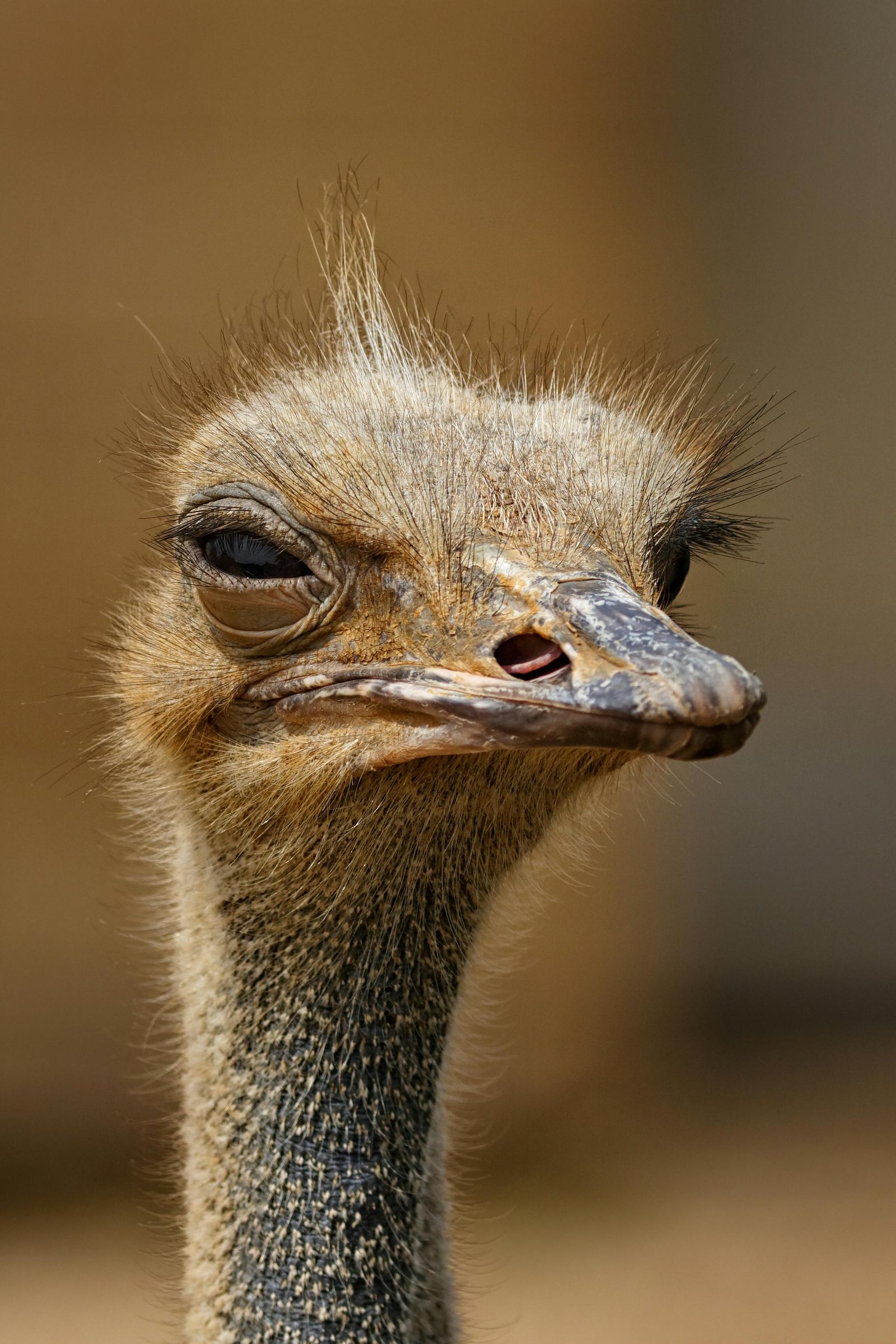
Animals have always been a prominent feature in art and culture across various mediums, including literature. From ancient fables to modern novels, animals have been used to symbolize characteristics, emotions, and societal norms. In literature, animals serve as more than just characters; they are often used as metaphors to convey deeper messages and themes.
One of the earliest examples of animals in literature can be found in Aesop's Fables, a collection of short stories featuring animals that teach moral lessons. Each animal represents a different human trait or moral value, such as the tortoise symbolizing patience and the hare representing overconfidence. These fables have been passed down through generations and are still used today to teach children important life lessons.
In George Orwell's classic novel "Animal Farm," the animals on a farm overthrow their human owner and attempt to create a utopian society. However, the pigs, who represent the ruling class, eventually become corrupt and oppressive, mirroring the actions of real-life political leaders. Through the use of animals as characters, Orwell effectively critiques the dangers of totalitarianism and corruption within society.
In contemporary literature, animals continue to play a significant role in storytelling. Yann Martel's "Life of Pi" features a young Indian boy stranded on a lifeboat with a tiger named Richard Parker. The tiger serves as both a threat and a companion to the boy, highlighting themes of survival, fear, and the human-animal bond.
Animals in literature are not limited to being characters; they are often used symbolically to explore complex themes and emotions. For example, the use of a black bird in Edgar Allan Poe's poem "The Raven" symbolizes the protagonist's descent into madness and grief, adding depth and complexity to the narrative.
Overall, animals in art and culture, particularly in literature, serve as powerful symbols that resonate with readers on a deeper level. Whether used to convey moral lessons, political allegories, or emotional depth, animals play a crucial role in shaping the narratives and themes of literary works, making them an integral part of our cultural consciousness.
Leave a Comment:
SEARCH
Recent News
- Zurich, Switzerland: A Haven for Wildlife Conservation
- Zurich, Switzerland is a vibrant city known for its stunning views, historic landmarks, and cultural events. One of the popular events that attract both locals and visitors alike is singing competitions.
- Zurich, Switzerland is not only known for its picturesque landscapes and vibrant culture but also for its diverse wildlife. While the city may be more commonly associated with its financial sector and luxury shopping, there are some rare and fascinating animals that call Zurich home.
- Hackathons have become a popular way for tech enthusiasts, developers, and innovators to come together and work on creative solutions to various challenges. Zurich, Switzerland, known for its thriving tech scene and innovation hub, has also seen a rise in hackathon competitions in recent years.
- Zurich, Switzerland, is a beautiful city known for its stunning architecture, picturesque landscapes, and rich cultural heritage. However, amidst all the beauty and sophistication, there is also a growing trend of keeping exotic pets in Zurich.
- YouTube Content Creation and Translation for Wildlife Conservation
- In recent years, YouTube content creation has exploded in popularity, with creators from all walks of life sharing their talents, interests, and expertise with the world. One popular genre within the YouTube community is singing competitions, where aspiring musicians showcase their vocal abilities in hopes of gaining recognition and support from viewers.
- YouTube Content Creation: Showcasing Rare Animals through Translation
READ MORE
11 months ago Category :

Zurich, Switzerland: A Haven for Wildlife Conservation
Read More →11 months ago Category :

Zurich, Switzerland is a vibrant city known for its stunning views, historic landmarks, and cultural events. One of the popular events that attract both locals and visitors alike is singing competitions.
Read More →11 months ago Category :

Zurich, Switzerland is not only known for its picturesque landscapes and vibrant culture but also for its diverse wildlife. While the city may be more commonly associated with its financial sector and luxury shopping, there are some rare and fascinating animals that call Zurich home.
Read More →11 months ago Category :
