Animals have always played a significant role in art and culture throughout history. From prehistoric cave paintings to modern artworks, animals have been a common subject for artists across different societies and time periods. In this blog post, we will explore the representation of animals in visual arts and their cultural significance.
Category : Animals in Art and Culture | Sub Category : Visual Arts Posted on 2025-02-02 21:24:53
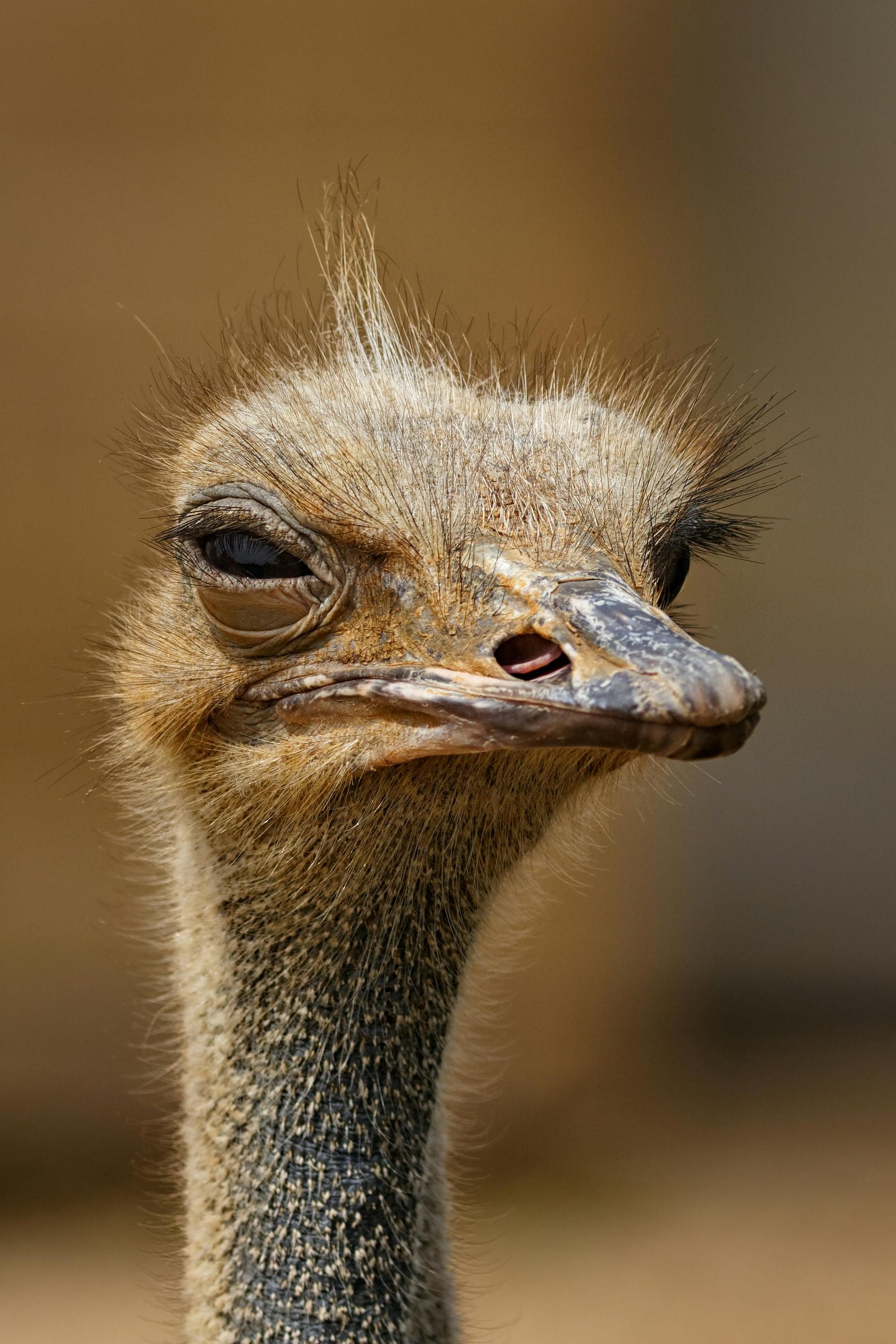
Animals have always played a significant role in art and culture throughout history. From prehistoric cave paintings to modern artworks, animals have been a common subject for artists across different societies and time periods. In this blog post, we will explore the representation of animals in visual arts and their cultural significance.
One of the earliest known examples of animals in art can be found in prehistoric cave paintings such as those in Lascaux, France, which date back to about 15,000 BCE. These paintings depict various animals like bison, horses, and deer, reflecting the close relationship between early humans and the natural world around them. Animals were not just depicted for their aesthetic value but also held symbolic meanings in the beliefs and rituals of these ancient societies.
In ancient Egypt, animals played a crucial role in religious beliefs and were often depicted in art as symbols of gods and goddesses. For example, the cat was revered as a symbol of fertility and protection, while the jackal represented the god Anubis, the protector of the dead. These animal representations were not just artistic creations but held deep cultural and spiritual significance for the Egyptians.
In medieval European art, animals were commonly used as symbols to convey moral lessons or represent qualities such as strength, loyalty, or cunning. The bestiary, a popular medieval manuscript that depicted various animals with accompanying moral allegories, is a prime example of how animals were used in art to convey teachings and values to the viewers.
During the Renaissance period, artists like Albrecht Dürer and Leonardo da Vinci portrayed animals with scientific accuracy and attention to detail, reflecting the growing interest in the natural world and the emerging field of zoology. Paintings of animals served not only as artistic creations but also as scientific records of different species for further study and understanding.
In modern and contemporary art, animals continue to be a prevalent subject for artists exploring themes such as environmental conservation, animal rights, and the human-animal relationship. Artists like Damien Hirst, Banksy, and Walton Ford have used animals in their artworks to provoke thought and raise awareness about pressing issues related to animals and their habitats.
In conclusion, animals have held a special place in the visual arts throughout history, serving as symbols, motifs, and subjects of artistic expression. The representation of animals in art reflects our complex relationship with the natural world and provides insights into our cultural values, beliefs, and concerns. Whether as symbols of power, wisdom, or companionship, animals in art continue to captivate and inspire viewers across different cultures and time periods.
Leave a Comment:
SEARCH
Recent News
- Zurich, Switzerland: A Haven for Wildlife Conservation
- Zurich, Switzerland is a vibrant city known for its stunning views, historic landmarks, and cultural events. One of the popular events that attract both locals and visitors alike is singing competitions.
- Zurich, Switzerland is not only known for its picturesque landscapes and vibrant culture but also for its diverse wildlife. While the city may be more commonly associated with its financial sector and luxury shopping, there are some rare and fascinating animals that call Zurich home.
- Hackathons have become a popular way for tech enthusiasts, developers, and innovators to come together and work on creative solutions to various challenges. Zurich, Switzerland, known for its thriving tech scene and innovation hub, has also seen a rise in hackathon competitions in recent years.
- Zurich, Switzerland, is a beautiful city known for its stunning architecture, picturesque landscapes, and rich cultural heritage. However, amidst all the beauty and sophistication, there is also a growing trend of keeping exotic pets in Zurich.
- YouTube Content Creation and Translation for Wildlife Conservation
- In recent years, YouTube content creation has exploded in popularity, with creators from all walks of life sharing their talents, interests, and expertise with the world. One popular genre within the YouTube community is singing competitions, where aspiring musicians showcase their vocal abilities in hopes of gaining recognition and support from viewers.
- YouTube Content Creation: Showcasing Rare Animals through Translation
READ MORE
11 months ago Category :

Zurich, Switzerland: A Haven for Wildlife Conservation
Read More →11 months ago Category :

Zurich, Switzerland is a vibrant city known for its stunning views, historic landmarks, and cultural events. One of the popular events that attract both locals and visitors alike is singing competitions.
Read More →11 months ago Category :

Zurich, Switzerland is not only known for its picturesque landscapes and vibrant culture but also for its diverse wildlife. While the city may be more commonly associated with its financial sector and luxury shopping, there are some rare and fascinating animals that call Zurich home.
Read More →11 months ago Category :
