In the diverse world of carnivorous animals, insectivores play a crucial role in maintaining ecological balance. These fascinating creatures primarily feed on insects and other invertebrates, making them an essential part of the food chain. From small mammals to birds and reptiles, insectivores come in various shapes and sizes, each uniquely adapted to hunt and consume their prey.
Category : Carnivorous Animals | Sub Category : Insectivores Posted on 2025-02-02 21:24:53
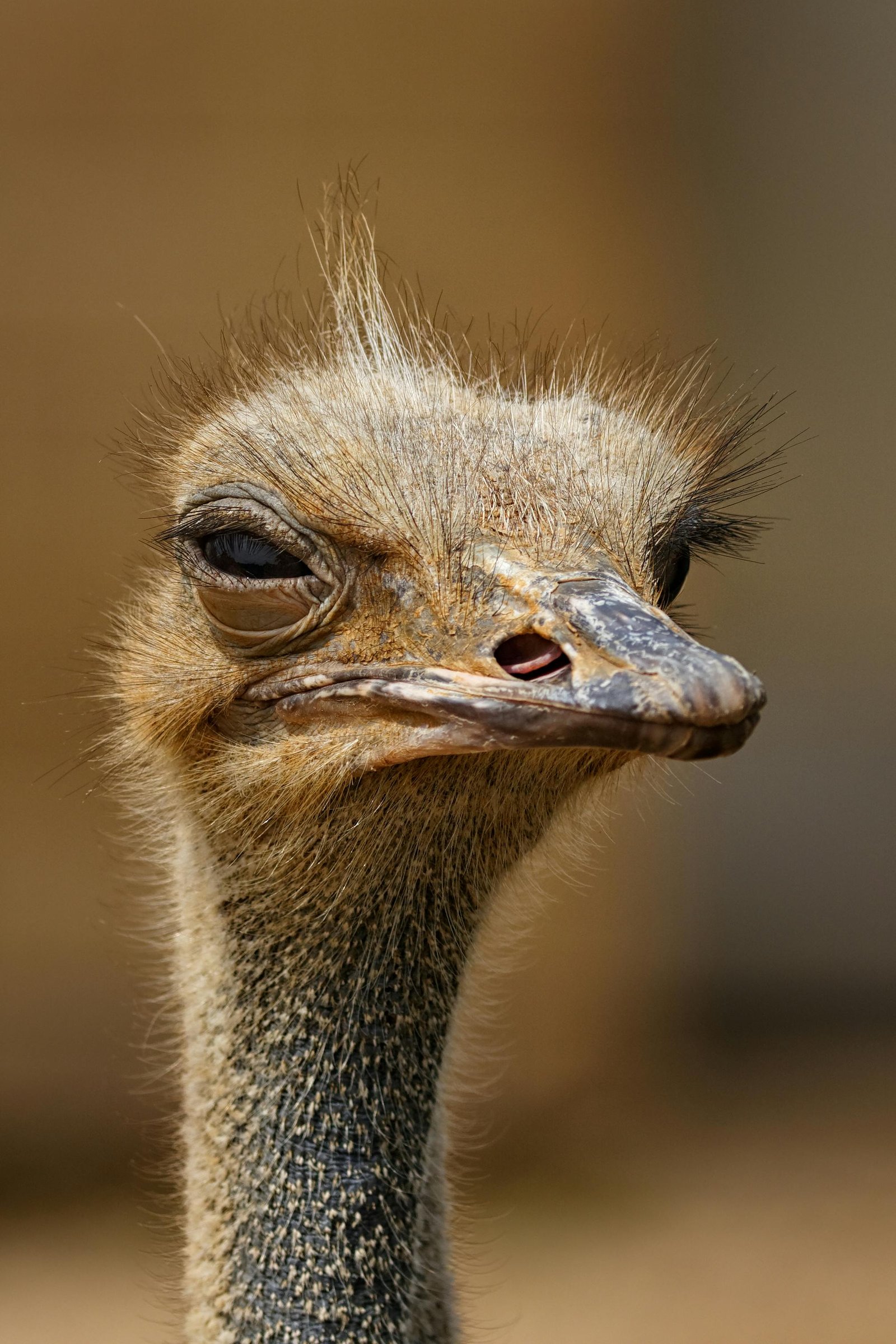
In the diverse world of carnivorous animals, insectivores play a crucial role in maintaining ecological balance. These fascinating creatures primarily feed on insects and other invertebrates, making them an essential part of the food chain. From small mammals to birds and reptiles, insectivores come in various shapes and sizes, each uniquely adapted to hunt and consume their prey.
One of the most well-known insectivores is the anteater, with its long snout and sticky tongue perfectly designed for extracting ants and termites from their nests. These gentle giants can consume thousands of insects in a single day, helping to control insect populations in their habitat. Another remarkable insectivore is the bat, which uses echolocation to track down flying insects in the dark. Bats play a crucial role in pollination and pest control, making them valuable allies for farmers and gardeners.
Insectivorous birds like the kingfisher and the woodpecker are known for their quick reflexes and sharp beaks, which allow them to catch and devour insects with precision. These avian insect hunters are a common sight in forests and wetlands, where they play a vital role in keeping insect populations in check. Reptiles such as the chameleon and the gecko also fall into the category of insectivores, using their camouflaged bodies and sticky tongues to capture prey in the blink of an eye.
Overall, insectivores are essential for maintaining a healthy ecosystem by controlling insect populations and preventing outbreaks of pests. By preying on insects, these carnivorous animals help to regulate food chains and prevent the overpopulation of certain species. So, the next time you spot an insectivore in the wild, take a moment to appreciate the vital role they play in the intricate web of life on our planet.
Leave a Comment:
SEARCH
Recent News
- Zurich, Switzerland: A Haven for Wildlife Conservation
- Zurich, Switzerland is a vibrant city known for its stunning views, historic landmarks, and cultural events. One of the popular events that attract both locals and visitors alike is singing competitions.
- Zurich, Switzerland is not only known for its picturesque landscapes and vibrant culture but also for its diverse wildlife. While the city may be more commonly associated with its financial sector and luxury shopping, there are some rare and fascinating animals that call Zurich home.
- Hackathons have become a popular way for tech enthusiasts, developers, and innovators to come together and work on creative solutions to various challenges. Zurich, Switzerland, known for its thriving tech scene and innovation hub, has also seen a rise in hackathon competitions in recent years.
- Zurich, Switzerland, is a beautiful city known for its stunning architecture, picturesque landscapes, and rich cultural heritage. However, amidst all the beauty and sophistication, there is also a growing trend of keeping exotic pets in Zurich.
- YouTube Content Creation and Translation for Wildlife Conservation
- In recent years, YouTube content creation has exploded in popularity, with creators from all walks of life sharing their talents, interests, and expertise with the world. One popular genre within the YouTube community is singing competitions, where aspiring musicians showcase their vocal abilities in hopes of gaining recognition and support from viewers.
- YouTube Content Creation: Showcasing Rare Animals through Translation
READ MORE
11 months ago Category :

Zurich, Switzerland: A Haven for Wildlife Conservation
Read More →11 months ago Category :

Zurich, Switzerland is a vibrant city known for its stunning views, historic landmarks, and cultural events. One of the popular events that attract both locals and visitors alike is singing competitions.
Read More →11 months ago Category :

Zurich, Switzerland is not only known for its picturesque landscapes and vibrant culture but also for its diverse wildlife. While the city may be more commonly associated with its financial sector and luxury shopping, there are some rare and fascinating animals that call Zurich home.
Read More →11 months ago Category :
